
The hidden psychology behind gambling addiction and its effects on mental health
The allure of gambling
The thrill of gambling often begins with the excitement of winning, a psychological phenomenon that can lead individuals to seek that feeling repeatedly. This initial rush can create a strong emotional connection, blurring the lines between entertainment and obsession. The brain releases dopamine, a neurotransmitter associated with pleasure and reward, reinforcing the behavior and making it difficult to resist the urge to gamble again. For more insights, visit CanadaSportzBook, where we explore various facets of this exciting world.
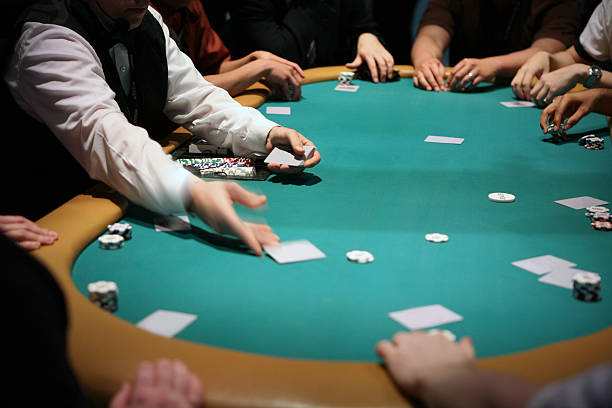
Moreover, the environment of casinos and online gambling platforms is meticulously designed to enhance this allure. Bright lights, engaging sounds, and the social atmosphere all contribute to a heightened state of arousal, making it easy for individuals to lose track of time and money. As they chase the high of a win, gamblers may not recognize the potential for addiction lurking beneath the surface.
Psychological triggers and risk factors
Certain psychological factors can predispose individuals to gambling addiction. For some, issues such as anxiety, depression, or past trauma may lead them to seek solace in gambling as a coping mechanism. The behavior may initially offer an escape, but over time, it can exacerbate existing mental health problems, creating a vicious cycle that is hard to break. Furthermore, the role of the casino environment can amplify these issues considerably.
Additionally, personality traits such as impulsivity and a need for thrill-seeking can make individuals more susceptible to gambling addiction. People with these traits may find themselves drawn to high-stakes games, where the potential for immediate rewards can overshadow the risks involved. Understanding these triggers is crucial for recognizing the early signs of gambling addiction and addressing them effectively.
The impact on mental health
Gambling addiction can lead to a myriad of mental health issues. Individuals often experience heightened levels of stress and anxiety as they struggle to manage their gambling behaviors while dealing with financial strain. This constant pressure can lead to feelings of hopelessness and despair, further deteriorating their mental well-being. It’s important to acknowledge the intricate relationship between gambling habits and mental health struggles.
Moreover, the stigma surrounding gambling addiction can prevent individuals from seeking help. Many feel ashamed of their behavior, leading to isolation and a lack of social support. This withdrawal can worsen their mental health, contributing to conditions such as depression or substance abuse, creating an urgent need for awareness and understanding of the complexities of gambling addiction.
Strategies for recovery
Addressing gambling addiction requires a multifaceted approach that includes therapy, support groups, and education. Cognitive-behavioral therapy (CBT) has proven effective in helping individuals understand the thought patterns that contribute to their addiction, providing tools to change these behaviors. Support groups, such as Gamblers Anonymous, can create a sense of community and shared experience, which is invaluable for recovery.
In addition to professional help, education about the risks of gambling and the signs of addiction can empower individuals to make informed choices. Encouraging open conversations about gambling can help reduce the stigma and encourage those struggling to seek the help they need. Recovery is possible, but it requires commitment, support, and understanding of the psychological complexities involved.

Stay informed with Canada Sportz Book
At Canada Sportz Book, we recognize the importance of discussing the psychological aspects of gambling and its impact on mental health. Our platform provides a space for readers to stay informed about various aspects of sports, including the potential psychological effects of gambling, whether recreational or problematic.
By fostering awareness and understanding, we aim to encourage responsible gambling practices and provide resources for those affected by gambling addiction. Join our community to explore insightful articles and stay updated on the latest developments in the world of sports and mental health.
